
What to Pack for Alaska in Winter
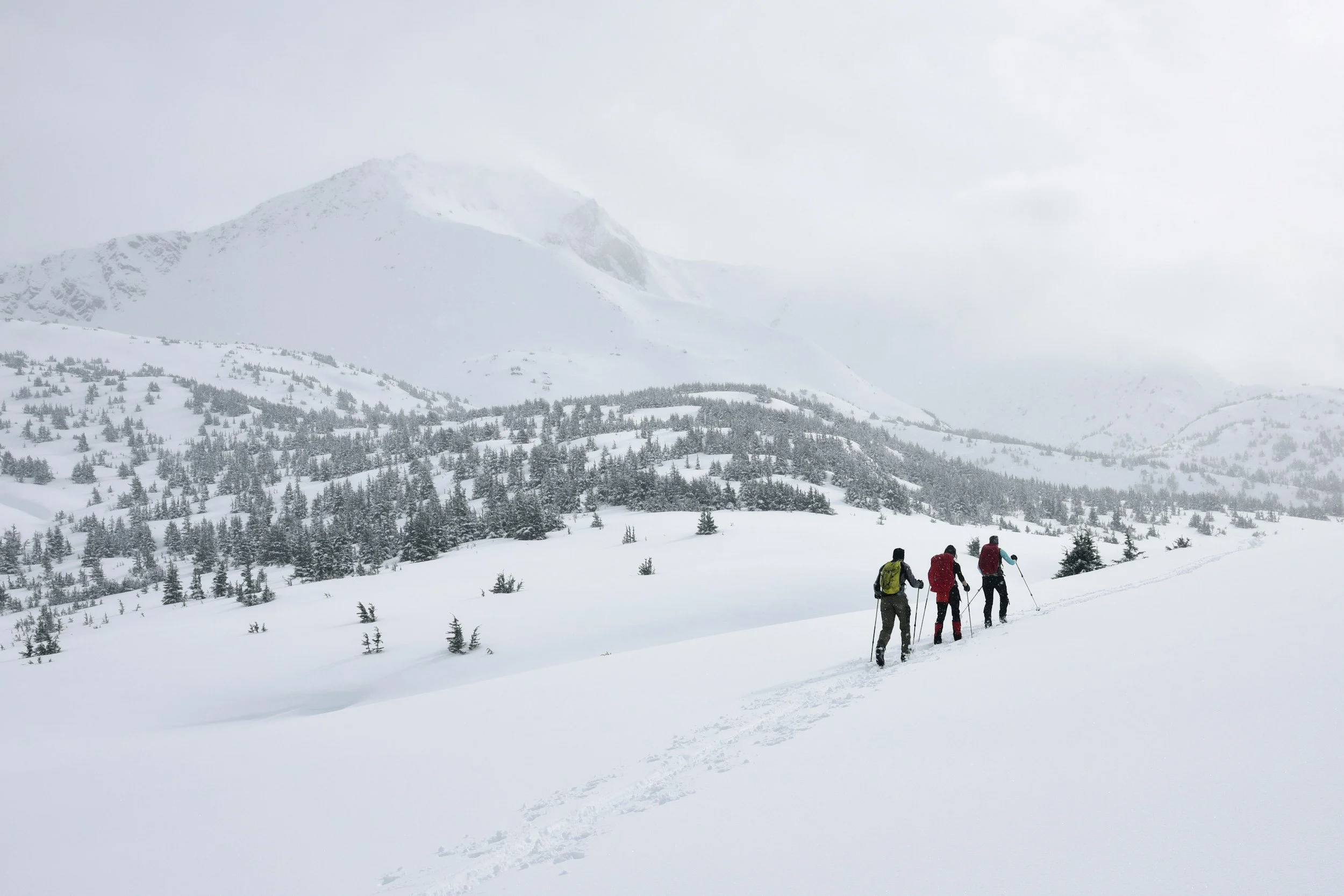
Experiencing winter in Alaska is magical! Just imagine the aurora over a snowy landscape and the peaceful sound of falling snow. It is like a scene you can only see in a fairytale.
Considering my biggest passion is traveling, I have not missed out on the opportunity to explore Alaska. However, since the weather can get a bit tricky (especially in winter), I have realized that packing the right clothes is one of the most important things. It is vital to bring the right gear since the wrong choices can ruin your trip, whether you are chasing the northern lights or dog sledding.
As they say in Alaska, "There is no such thing as bad weather, only bad clothing!" So, the cold weather should not be your discouragement but rather a reminder to pack the right clothes. But, if you are wondering what to pack for Alaska in winter, and are not sure about your choices, I am here to help you out!

Alaska Winter Travel Tips
Before we move on to the Alaska winter packing list, I want to share a few tips about this state during the cold period. When you find yourself at a crossroads and you are unsure what to pack for Alaska in winter, you would like to know some details about the place you are visiting.
So, I have included some Alaska winter travel tips that might ease your packing process.
1. Winters in Alaska Are Cold
Alaska’s winter weather can be seriously frigid, but it also depends a lot on where you are, since Alaska is such a massive state with very different climates across regions. From November through March, Anchorage typically sees average highs around 28°F (-2°C) and lows near 18°F (-8°C). Coastal cities like Juneau tend to stay milder in winter, with average temperatures often hovering in the mid-20s to mid-30s°F, thanks to the ocean influence.
But if you travel farther inland or north to places like Fairbanks, winter temperatures can become extreme — it’s not unusual for them to drop to -40°F during cold snaps.
Snowfall also varies widely across the state. Some areas, especially mountain and coastal regions, can receive heavy snow, while other parts of Alaska are much drier and get less accumulation. In other words, winter conditions in Alaska aren’t one-size-fits-all, the temperatures and snow totals really depend on which cities and regions you’re visiting.
If you’ve never experienced this cold weather, I am here to help you be prepared
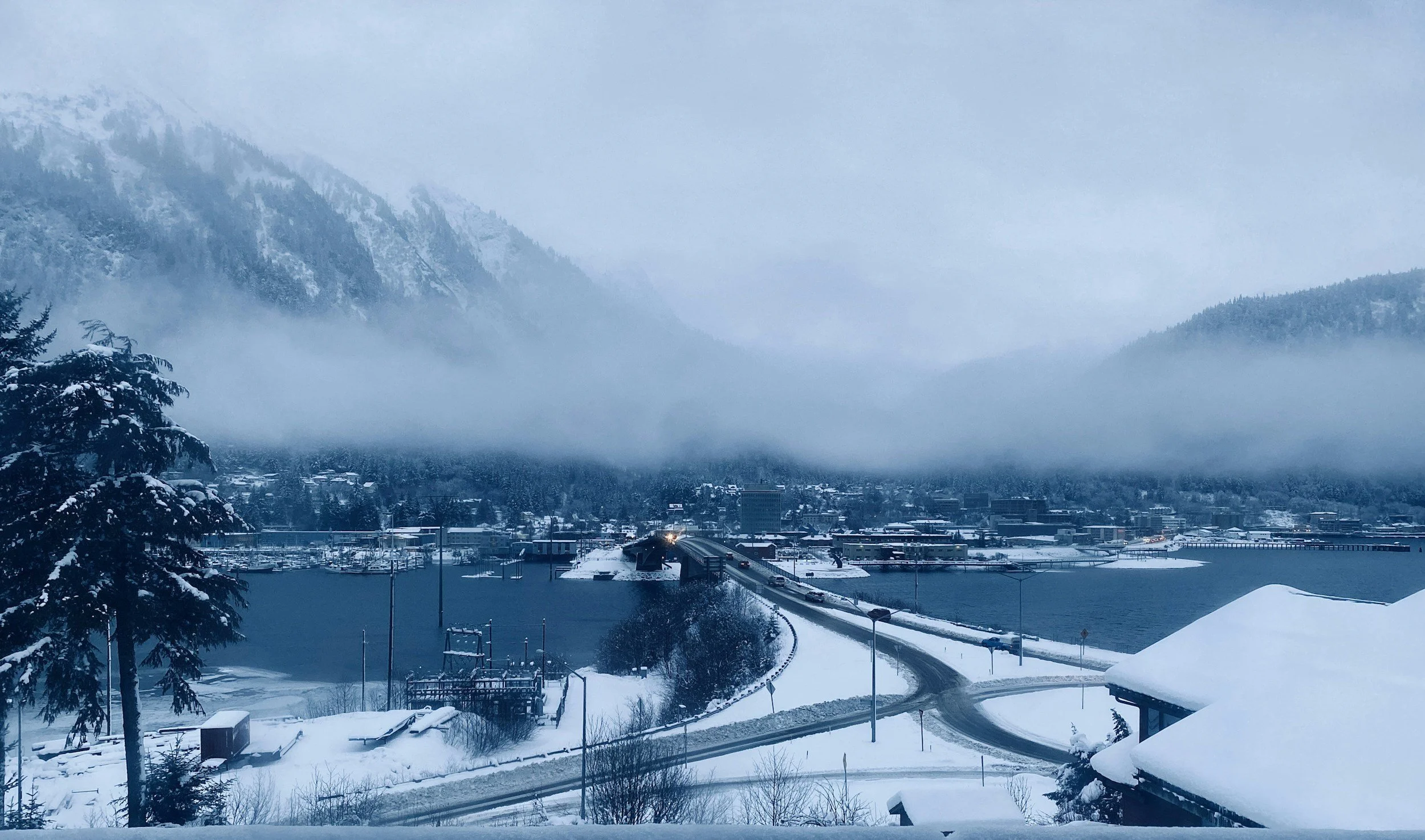
2. Transportation Options Are Limited Due to The Cold
When it comes to getting around in winter, your options are somewhat limited. So, if you are planning an Alaska Northern Lights trip, your best bets are either driving or hopping on the Alaska Railroad. They operate a winter train schedule known as the Aurora Winter Train, which connects Anchorage and Fairbanks. It can be a fantastic way to see the scenery if it aligns with your travel plans!
3. It Does Not Snow All The Time
While it does snow quite a bit in Alaska, it is not constant. Anchorage sees around 79 inches of snow yearly, but during the coldest months, you might only get snowed on about 3 to 5 days. If you venture just two hours north to Talkeetna, you will find it averages a whopping 120 inches, which shows how much the weather can vary! So definitely pack for the snow, even if your Alaska winter vacation forecast might say dry weather.
Alaska Winter Essentials Guidelines
Now that you know what to expect from the weather conditions in winter, you need to look into the packing guidelines. That is, before beginning to sort out the outfits you are going to pack, you need to figure out how you should dress during your Alaska winter vacation.
When I was wondering what to pack for Alaska in winter, I paid attention to several rules for exploring places during cold weather.
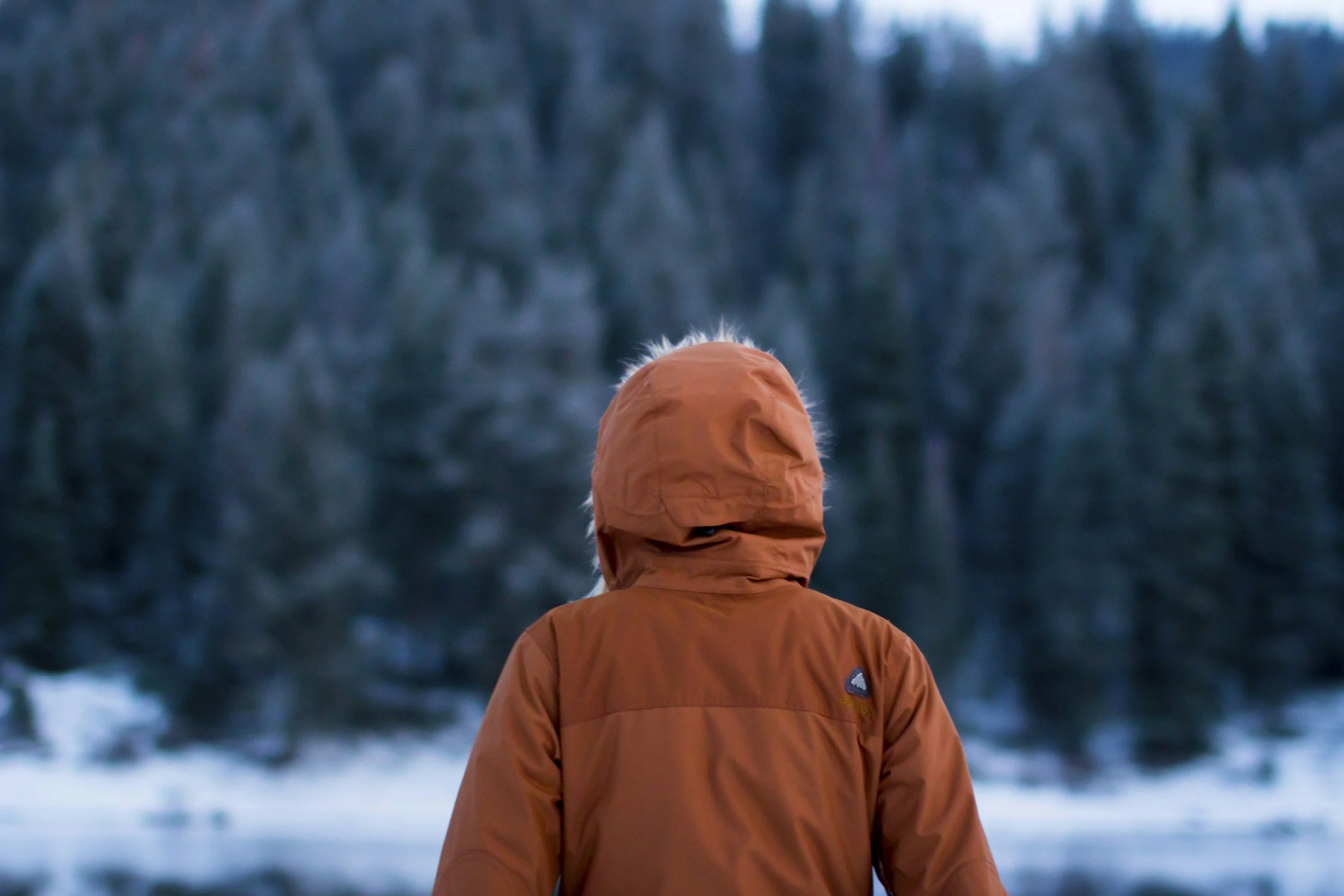
Rule 1: Go for Multiple Layers
Start with a snug light-to mid-weight wool or synthetic base layer. But skip the cotton! Brands like SmartWool or Patagonia's Capilene are great. If the weather is really cold or windy, consider wearing wind-blocking underwear or even a hat.
For your insulating layer, go for multiple thinner layers instead of one thick one. This is a way to trap heat better. A fleece jacket or a warm down sweater on top is ideal for staying cozy, so you should consider them among your Alaska winter essentials.
And remember not to overheat! If you are getting too warm, shed a layer. When you are active, you should feel slightly cool at first, then adjust as needed. An outer layer like a nylon jacket or ski parka will protect you from the wind, and windproof ski pants are a smart choice too.
Rule 2: Keep Your Head Warm
A good combo for cold weather is a hat and a balaclava to protect your nose and cheeks. If you get too warm while being active, swap your hat for a headband, but keep your ears covered. A budget-friendly nylon buff can be a great help, too.
Rule 3: Keep Your Feet Warm
Warm feet are essential for a good time outside. Get boots rated for -20 to -40 degrees, and if you are worried about warmth, grab some toe warmers. Remember to always go for wool or synthetic winter socks instead of cotton to keep your feet dry and warm.
Rule 4: Choose Mittens Over Gloves
Mittens are the way to go for warm fingers because they keep them together and retain heat much better than gloves. If you want extra warmth, grab some hand warmers. And if you need to use your fingers, wear thin gloves under the mittens so you are not left exposed.
Alaska Winter Packing List
When you are gearing up for some serious cold weather, preparing the right way is everything. So, when thinking about what to pack for Alaska in winter, you may find an example list quite helpful. Here is what I would take for my Alaska winter itinerary.
Base Layers
Lightweight wool/synthetic long underwear (top + bottom)
Wind briefs if you’ll be active outdoors
Mid Layers
Medium-weight long underwear (top + bottom, slightly looser)
Fleece jacket or heavy layer
Optional: fleece vest for extra warmth
Fleece or heavy pants if it’s very cold
Outer Layers
Wind or snow pants
Wind or ski jacket that fits over all layers
Down or synthetic parka with a hood
Optional: insulated winter skirt
Footwear
Warm, comfortable winter boots
Synthetic liner socks
Wool/synthetic insulating socks
Accessories
Mittens (warmest option)
Liner gloves for taking photos
Beenie that covers your ears
Balaclava, buff, or headband
With this gear, you will be truly ready in terms of packing for cold-weather travel.
As you can see, when it comes to what to pack for Alaska in winter, the list comes with a lot of items that will keep you warm and safe out in the cold. Although it may seem like a lot to take with you, remember that the right equipment is crucial for unforgettable experiences, especially in a magical place like Alaska!
If you are ready for your winter adventure in Alaska, get in touch with Go Friends Travel!